




 20 Jul
 The difference between a gas shipper and gas supplier
The difference between a gas shipper and a gas supplier is that a gas shipper helps to manage the logistics of gas on the national transmission system (NTS). This is the UK’s network of gas pipelines, supplying gas to power stations and industrial users and to gas distribution companies that supply gas to both domestic and business customers. The NTS covers the entirety of Great Britain, including Scotland and Wales.
Meanwhile, a gas supplier sells gas to the end customer, either a business or domestic user of gas. The role of the shipper involves arranging the physical transportation of gas to that consumer, involving booking entry and exit capacity, as well as managing imbalances.
Gas shipper licenses
In order for a gas shipper to operate, they must obtain a gas shipper license under the Gas Act 1986, unless there is an exemption that applies. With this license, gas shippers can buy gas from those who extract it from the ground in one of four ways. Including under a long-term agreement, by buying gas on a spot market, through “over the counter” physically delivered futures contracts, or by buying gas through exchange-traded physically delivered futures contracts.
The impact gas shippers have on gas suppliers
With the loss of many gas suppliers in recent months, it is important to consider what impact gas shippers have on gas suppliers and whether this can be used to explain the failure of so many suppliers.
When a gas shipper exits the market like CNG did in the winter of 2021, gas suppliers could face going out of business. Gas shippers, CNG, were providing gas to 18 utility companies, but stopping their deliveries and operations, caused fear throughout the industry for the supply chain. Many now feel concerned about the “domino effect” this type of move from a large gas shipper can have on gas suppliers and the impact this would later have on gas prices. Since the exit from CNG, the remaining 18 utility clients they had were told to find a new supplier and “quickly”. After many of their customers had already suffered as a result of rising gas prices earlier in the year (2021), the company was put into this difficult position, leaving the UK gas market in a complicated situation.
Just as this example demonstrates, the role a gas shipper plays does not just involve the movement of gas but can play a huge part in other aspects of the market. Any shift or change from a gas shipper is likely to result in huge effects on the gas market.
Read Article 13 Jul
 New faster switching rules are coming into force on the 19th July. In the run-up to this, we
need to make all our customers aware that certain restrictions will be put in place across D-
ENERGi, while changes are being made. This includes not being able to agree to contracts
with particular start dates from 19 th to the 22 nd July. As this is an industry-wide change,
affecting all energy suppliers, we’ve helped to clear up any confusion in this latest blog
article.
What is Faster Switching?
First stop, let’s explain what this new process is…
Faster Switching is a new regulatory process introduced by energy regulator Ofgem. The
introduction of this process means consumers will be able to switch energy suppliers within
just five working days, making the ability to change suppliers much simpler and less time-
consuming. This is great for businesses that will be able to switch energy suppliers with far
greater efficiency and confidence, with as little hassle and disruption as possible.
What does Faster Switching mean for businesses?
While the Faster Switching transition process takes place, there are a few things that UK
businesses should know. This is particularly important if you are considering switching your
business energy supplier in the very near future.
There will be an industry-wide blackout between the period of 19th – 22nd of July. During this
time, no supply start dates, also known as SSD will be able to occur. You will be unable to
select an SSD during this time, with the earliest being available from the 23rd of July.
Why Faster Switching?
With the introduction of Faster Switching, Ofgem hopes for increased competition within the
energy industry, in turn helping save on energy bills, improvements across the board to
customer service and customer satisfaction, as well as far greater choice for business and
domestic customers. This will also help to reduce any harm the long delays of switching
have previously caused, particularly for UK businesses who require a fast and efficient
switch between energy suppliers that will not disrupt their usual operations.
For more information about the faster switching process and transition period, do not
hesitate to get in touch with our customer service team. They will be happy to help you.
Read Article 8 Jul
8 Jul Ever since the Russian invasion of Ukraine this February and the continuation of heavy military attacks on the country, countries across the world have reacted by pulling away from using Russian suppliers, Russian goods, and servicing the Russian population with their products and/or services. Both to make a political and ethical statement, by doing this, companies are having a direct impact on Russian markets. One of the most prominent of these is the decision to move away from the use of Russian gas across the globe, but most importantly within Europe.
Russian supplied gas
Figures have been used to show that the EU and UK are the largest trading partners with Russia for fuel products such as oil. gas, and coal. The EU receives around 40% of its gas supply from Russia, showing just how reliant European countries are on Russia for a vital import such as gas. With the invasion of Ukraine, these countries, and particularly the EU, are determined to reduce or completely cut their reliance on Russia for gas.
Closer to home, the UK, rely less so on Russia for gas, however, in 2021, Russia still made up 4% of gas used in the UK. While we do not rely so heavily on Russian imports for gas as our European counterparts, we still, as a country, have been exposed to the disruption the invasion of Ukraine has caused to the energy markets. Witnessing rising gas and oil prices, while our European neighbours seek other sources of energy.
Moving away from Russian energy supplies
Quite soon after the war broke out, both the UK and the US announced a ban on Russian oil, while the EU released their REPowerEU plan which has laid out the ambitions of the EU to make Europe independent of Russian fossil fuels by 2030. However, the first steps will focus solely on gas which makes up a large percentage of their Russian imports. In conjunction with efforts to move away from fossil fuels completely and to achieve net-zero emissions, moving away from Russian energy supplies is the right move to make at this time, for reasons that are both economical, ethical, and environmental.
Where does your business gas come from?
Considering these crucial points, have you considered where your business gas is sourced from? If you are looking to review your supply chains, across the entirety of your company, considering where your business gas is sourced from and who this is supplied by is crucial in the current market. While nations are reviewing their Russian-supplied gas and oil, to ensure your company is not impacted by current affairs within the market, looking to switch your business gas supplier could be your next best move.
Not only is this a climate change imperative but a geopolitical and financial one too. By choosing a reliable and anti-Russian gas supplier, you can prove your support for the country of Ukraine in its time of desperate need. Not only is this an issue affecting your company’s outgoings, but also your brand and your company’s reputation. Customers witnessing brands making this impactful statement are much more likely to stay loyal and continue their support for your business.
Choose D-ENERGi as your business gas supplier
Make the switch today and join us at D-ENERGi. All the gas we supply to our business customers is sourced solely from the UK and not Russia. If you and your company are looking to shift away from Russian-supplied gas, allow us to be your number one choice, as a business gas supplier with fixed business gas prices, stellar customer service, and your very own dedicated account manager. Get in touch with us today to find out more about our business gas rates.
Read Article 22 Jun
 In the UK wind energy accounts for 24% of total electricity generation, according to data released by the ONS in 2020. Both onshore and offshore wind is used to generate electricity in this country, and as we currently stand, we are a world leader in generating wind energy.
Thanks to the country’s geographical location and resources, wind energy has become a reliable solution for providing a renewable energy alternative for businesses and homes across the UK. Providing a carbon-free option for electricity.
Onshore and offshore wind
In the UK there are two different types of wind energy. Offshore and onshore. Both types provide enough power for businesses and homes across the nation.
Onshore wind provides one of the most cost-effective choices for electricity in the UK. Being cheaper than all of its alternatives, such as coal, gas, nuclear, and any other renewable electricity source. A clean and carbon-free alternative energy source, this is growing increasingly popular with the British public and businesses alike. The term onshore wind simply refers to those turbines that are located on land, you will have likely driven past a few on journeys across the UK.
Offshore wind refers to the energy generated by those wind farms located off the coast of the country. Typically found in the open sea, these are placed in locations where there are much higher wind speeds and can thereof generate more electricity than onshore wind turbines. Considered to be the most efficient means of generating wind energy, offshore wind in the UK is receiving huge amounts of investment, providing jobs to thousands and a clean, reliable and affordable energy source for the UK.
Wind energy is something we are considered to be successful in as a country, with many other nations looking to us for inspiration.
Environmental impacts of wind energy
As wind energy is a carbon-free source of energy, it makes a huge contribution to the UK’s effort in reducing our carbon emissions. Helping the country to tackle climate change.
Despite the varying opinions on wind energy and the development of wind farms across certain areas of the country, wind developments have far fewer impacts on the natural environment in comparison to other energy sources such as fossil fuels. Secondly, they can be easily replaced or removed quickly if necessary, making them a rather efficient means for generating energy.
Although other organisations such as animal welfare charities and conservationists are concerned about the protection of wildlife, this can be continued to be protected with careful project management and planning when choosing the location for a wind farm to be placed.
The future of wind energy in the UK
According to the National Grid, the year 2020 can be considered the “greenest year on record” (according to the current, available data) for Britain with record-high levels of wind energy generation. Despite the year not being one to celebrate other major issues, such as the COVID-19 outbreak, this is certainly some good news to come out of the UK.
We can use this information to set a precedent for years to come. As we continue to work towards a carbon-free world and tackle climate change, wind energy generation should increase as more and more companies adopt this energy source.
Renewable wind energy for your business
At D-ENERGi all the business electricity we supply to businesses up and down the country is sourced from UK-based wind farms. Providing British companies with 100% British renewable energy. This makes us truly unique in the sector of business electricity, providing companies with an alternative to traditional sources of energy, helping them to make a change and to reduce their carbon footprint.
If you would be interested in making the switch to renewable wind energy for your business, get in touch with our team of experts today. We can supply you with a business electricity quote and comparisons, to make your decision as simple as possible. Call us on 0800 781 7626 or submit a form online.
Read Article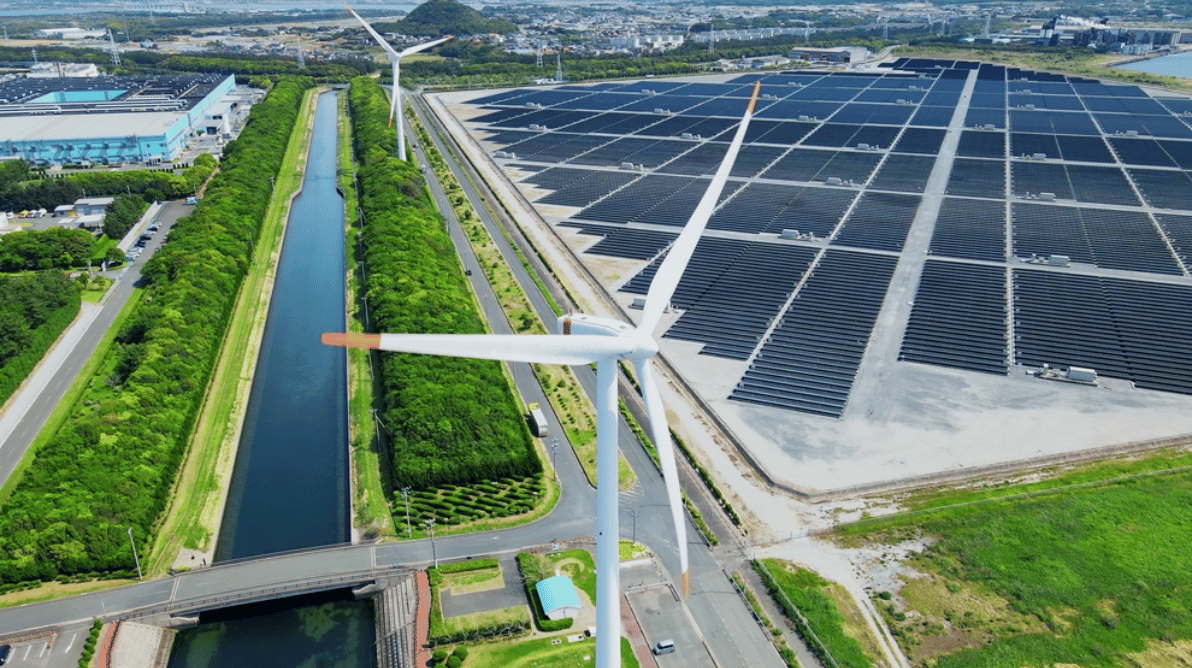 17 Jun
 Over the last few years, the UK became one of the first countries in the world to set targets and pass laws in order to minimise and finally end the contribution this country has to global warming.
Across the UK, this has resulted in companies of all sizes considering taking key steps in order to reduce the environmental impact they are having. This has involved a number of companies making the switch to business electricity suppliers that are able to supply them with zero-carbon electricity. Here at D-ENGERGi, we are proud to offer 100% renewable energy to our business customers. For those who are considering making the switch, here are some of the key benefits of zero-carbon electricity for businesses to help you make your decision.
Reduce your business’ carbon footprint
The initial and most important benefit of switching to zero-carbon electricity supplier sources is that you will reduce your company’s carbon footprint. With goals in place across the UK to achieve carbon neutrality over the next 15-25 years, there are plenty of steps businesses can take to ensure they are on the right track. This is one simple way in which you can begin placing importance on sustainability.
Build your customer base
For consumers, it has become more important than ever to buy from companies that are attempting to be eco-friendly and sustainable. Recent studies have shown that consumer attitudes towards sustainability is now having a direct impact on their buying decisions. With around 32% of consumers expressing a great concern around the environmental impact of their purchases and are therefore highly engaged in adopting a more sustainable lifestyle. This has resulted in around 28% of consumers having stopped buying certain products due to their ethical and environmental concerns.
Therefore, taking one step to reduce your company’s carbon emissions, by switching to renewable, carbon neutral electricity could help to build your customer base. For those companies who choose not to place a core focus on sustainability, you could risk losing your loyal customer base to competitors.
Your Company CSR
Corporate social responsibility is an important practice for businesses. Types of CSR include ethical, environmental, and economic. When choosing a business electricity supplier, considering your CSR policies should help you make your decision and will benefit your brand’s reputation.
For example, when researching companies, there are some vital pieces of information you should know in order to understand whether sourcing your energy from this company aligns with your company’s views on particular topics.
Understanding where the energy is coming from. For those who are currently working to move away from fossil fuels, finding companies that source their electricity from renewable energy sources would be the best step. You can find this information within an electricity supplier’s fuel mix disclosure.
Plus, many companies now wish to step away from sourcing any energy from Russian suppliers. With the current Ukraine conflict, it has become a part of many businesses’ focus to avoid any goods and services provided by Russian companies. Showing their dedication to supporting the country of Ukraine during this time. Taking the time to understand where your business electricity is coming from could play a part in developing your CSR strategy, and therefore improving your brand as a whole.
Speak with our team of experts today to discuss switching your eelctricity supplier. AT D-ENERGi, all our electricity is supplied from UK based wind farms. Offering a zero-carbon, 100% renewable energy alternative.
Read Article 9 Jun
9 Jun If you are considering switching your current business electricity supplier, you may not be aware of the importance of understanding where your electricity is sourced from. This could play an important role in helping you make a decision when it comes to choosing a new business electricity supplier. Your business electricity supplier’s FMD will provide you with the details of where your electricity is sourced from. Understanding Fuel Mix Disclosure from Business Energy Suppliers
A Fuel Mix Disclosure or FMD, as it is often referred to within the industry, is the information electricity suppliers are obligated to provide within Great Britain. This discloses to customers the mix of fuels used to generate their electricity and the impact this has on the environment. These disclosures are released across an annual period by energy companies in the UK and are updated each year. Why is Fuel Mix Disclosure important?
As people begin to realise the true extent of their carbon footprint, the discussion around energy sources is going to continue for decades. With the UK government committed to achieving carbon neutrality by 2030 and net-zero emissions by 2050, businesses, in particular, have an important role to play in the reduction of carbon emissions and switching from the use of non-renewable energy sources, like fossil fuels to renewable energy sources like wind and solar.
Therefore, it is more important than ever that you understand the fuel mix disclosure provided by business electricity suppliers. With this information, you are armed with the relevant knowledge to make an informed decision when it comes to choosing a business electricity supplier. One which will help your business contribute to your own sustainability goals and helping achieve the government’s aims for reaching net zero emissions. The Average UK Fuel Mix
One way to review the information your energy supplier offers is to compare this with the average UK fuel mix. Allowing you to determine how they compare with other energy suppliers. For the period 1 April 2020 to 31 March 2021, the UK standard fuel mix was reported as follows:
Coal – 2.7%
Natural Gas – 38.2%
Nuclear – 16.1%
Renewables – 40.3%
Other – 2.7% 100% British UK Wind Energy From D-ENERGi
Choosing to go with our D-ENERGi Electricity Trading Product as your independent business energy supplier, you will be buying 100% British UK wind-sourced electricity. We do not supply non-renewable energy using fossil fuels or nuclear power.
Not only this, but we strive to offer all our customers the very best prices for their energy. Our team of energy experts can easily compare business electricity tariffs, with the ability to provide you with the best tariff for your business electricity.
A true alternative to the big six energy suppliers in the UK, make the switch today and be sure your electricity supplier is sourcing your energy from renewable and environmentally friendly energy sources.
Read Article
Get the Best Business Energy Quotes
Price Match Available: Our price matching team will provide you the most competitive business energy rates. We won’t just match your current energy quote – we’ll strive to beat it!
Join thousands of UK businesses that have already started saving on their business energy costs!
Sign Up For The Latest News and Insights on Market Trends
"*" indicates required fields