

 13 Jan
 Energy consumption varies throughout the day, often peaking during specific hours. Typically, from 9am to 5pm, office-based businesses drive significant energy usage as they operate equipment powered by the grid. Additionally, between 4pm and 7pm, there is a marked surge in energy demand, as both households and businesses use high-consumption appliances like kettles and ovens. With TNUoS charges projected to double from 1 April 2026, it’s essential for business owners to closely monitor their energy consumption. Familiarising themselves with peak and off-peak energy times can play a crucial role in managing costs effectively. How Do Peak Times Influence Business Energy Costs? During peak hours, energy prices often rise due to the increased strain on the energy grid, a phenomenon referred to as time-of-use pricing. Businesses operating during these peak times may experience significantly higher bills, particularly those with energy-intensive operations. Conversely, off-peak times—generally late evenings, nights, or early mornings—offer an opportunity for businesses to reduce their costs. To benefit from this shift, it’s essential to have a day and night rate meter. By using more energy on the night rate instead of the day rate, you can reduce your annual energy costs. Energy providers usually reduce rates during these lower-demand periods to help stabilize the grid. By shifting some operations to these off-peak times, businesses can take advantage of these savings. Importance of Correct Electricity Meter Banding Ensuring your electricity meter is in the correct banding can significantly impact energy costs. The banding system, introduced by Ofgem’s Targeted Charging Review (TCR), determines the fixed daily charges for Transmission Network Use of System (TNUoS) costs. The TCR shifted many charges from a variable rate (p/kWh) to a fixed daily cost (£/site/day). If you suspect your business is in the incorrect banding or you’ve reduced energy usage but your banding hasn’t changed, consult our experts to gain control over your energy expenses amid rising TNUoS charges. What Are Off-Peak Hours for Energy Consumption? In the UK, the hours between 11pm and 8am typically see the lowest energy consumption. As most people are asleep during this time, demand on the grid drops, resulting in lower electricity costs. Transitioning energy usage to these off-peak hours can lead to substantial financial savings. While some activities may still necessitate energy during peak times, exploring ways to adjust consumption schedules can help mitigate the impact of rising costs linked to TNUoS charges. Strategies to Shift Your Business Energy Usage Away from Peak Times Some of these tips are useful for businesses looking to shift their energy usage away from peak energy times: Invest in Energy-Efficient Equipment: Incorporate energy-efficient solutions like LED lighting, smart thermostats, and Energy Star-rated appliances. These upgrades can significantly lower your overall energy consumption. Implement Scheduling Systems: Whenever feasible, schedule high-energy activities during off-peak hours. This could involve running machinery or conducting non-essential tasks over the weekend or at night. Manage Office Temperatures: For busy offices, consider controlling temperature settings in the early mornings. Set your HVAC system to adjust before the workday begins. Explore Renewable Energy Options: Installing solar panels or wind turbines can provide a sustainable and cost-effective source of energy for your business, especially during peak times when traditional energy sources are more expensive. Monitor Your Energy Usage: Keep a close eye on your business’s energy consumption patterns to identify areas where you can make adjustments to reduce usage during peak hours. This can easily be done with the installation of a business smart meter. Which we are supporting businesses with, you find out more about the smart meter roll out here. Utilise Lighting Sensors: Implement sensors to your lighting so that lights will only turn on when required. This could save your business hundreds of pounds in wasted energy usage. TNUoS Charge Increase: What UK Businesses Need to Know By implementing these strategies, your business can potentially save thousands of pounds each year on energy bills while minimising the impact of rising electricity expenses associated with TNUoS charges. If you would like to find out more about how you can save your business money and reduce your business energy usage, check out more of our blogs for business energy customers. If you are a D-ENERGi business energy customer and would like to speak with a member of our team to discuss your current energy bills, or to get a new energy quote, don’t hesitate to contact our team.
Read Article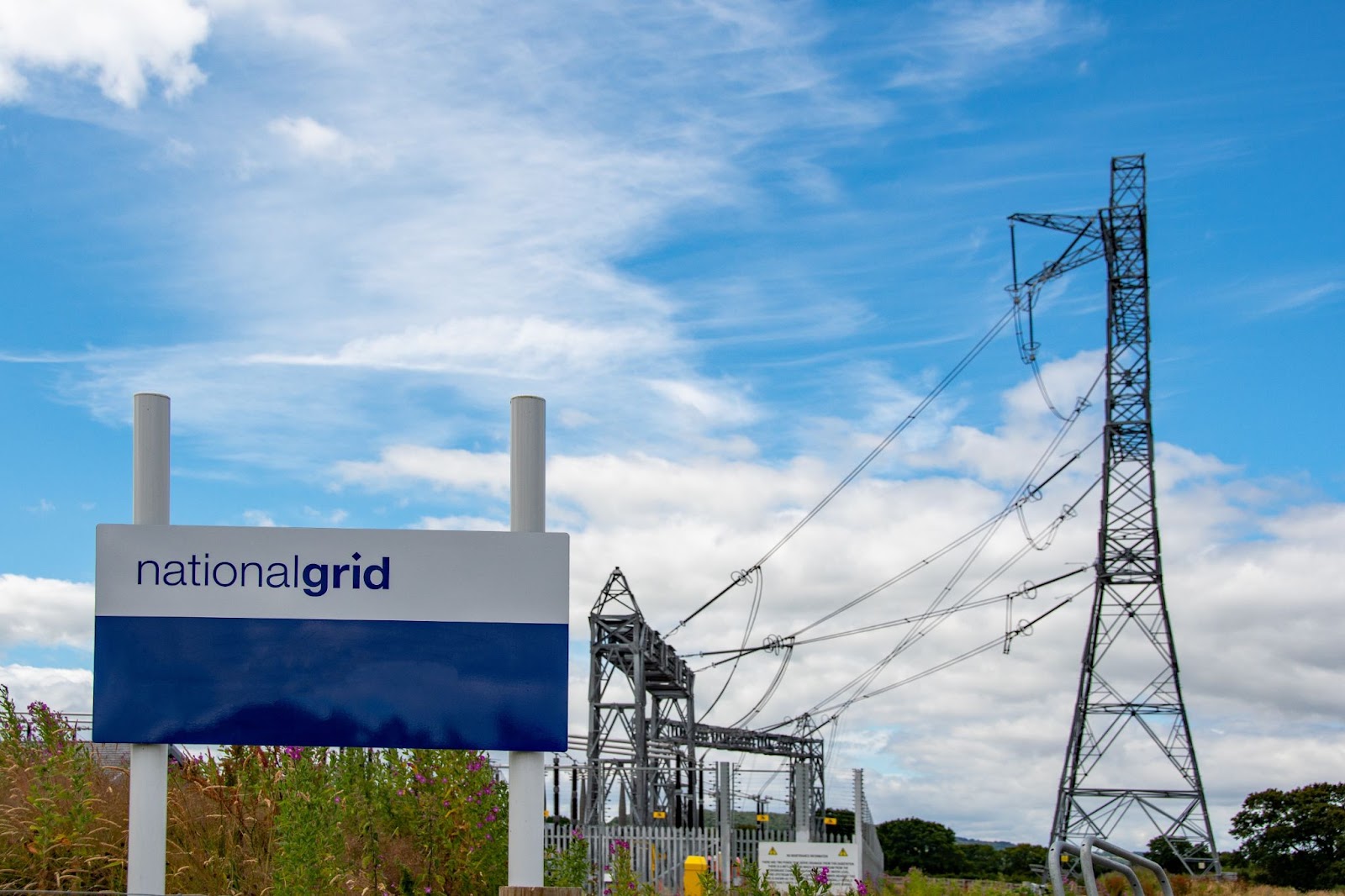 15 Oct
 Recently, the National Energy System Operator (NESO) published its Five-Year View, regarding the Transmission Use of System (TNUoS) and the charges associated with it. With this in mind, businesses need to consider how their monthly electricity bills are going to change. Understanding TNUoS charges is an essential part of proper budgeting. We’ve already given a breakdown of the impending updates, but this blog will offer a little more context, insight and advice, ensuring businesses can prepare properly for changes. What are TNUoS charges? These are the charges that electricity companies pay for using the National Grid. The money is used for the installation, operation and maintenance of the Grid, and while the suppliers pay them, they pass the costs directly onto customers through electricity bills. The primary things impacting the size of these charges are the Allowed Revenue – the maximum money grid operators can make according to Ofgem – and the Transmission Demand Residual (TDR) – a fixed daily charge that accounts for most of the cost borne by businesses. This daily charge is based on each site’s voltage and capacity band. The TDR is defined by its ‘recovery amounts’, as in the figure the system operator is obliged to collect. What’s changing with TNUoS charges? The Five-Year View has outlined some fairly significant changes to TNUoS charges, such as: Allowed Revenue is projected to rise £5.1 billion in 2025/26 to £8.9 billion in 2026/27. TDR recovery amounts are increasing from £3.8 billion in 2025/26 to £7.5 billion in 2026/27 and further rises thereafter. TDR tariffs is projected to be approximately 1.57p/KWh for 2025/26, escalating to around 3.05p/KWh in 2026/27. NESO has made some adjustments to the locational components of TNUoS tariffs, although the TDR tariff will account for most charges. Why are TNUoS charges increasing? The increases in TNUoS charges are mostly the result of massive investment into fortifying the grid for renewable energy in pursuit of Net Zero, with upgrades and reinforcements costing tens of billions. Ofgem’s going into a new regulatory period, RIIO-ET3, with funds collected in this period powering the new changes. How do TNUoS charges impact your business? TNUoS charges increasing means higher electricity bills for everyone. The charges are expected to essentially double by 2026/27, and there’s no way to tell how much higher they might rise. Frustratingly, this increase is based on fixed charges, unaffected by smart energy consumption management. Key consideration for business owners Every business owner needs to be more conscious of their energy, and indeed, overall budgeting. Some important considerations should include: Checking your contract terms for “pass-through” clauses that override fixed-price agreements Reviewing your site’s energy capacity and determining whether it could be lower, to lower your TDR band Keeping track of and attempting to manage all flexible costs, such as locational or time-of-use charges Stay informed about TNUoS charges If you’re interested in energy management or want to get a quote for your business, make sure to visit D-Energi. We provide a range of resources, updates and affordable business energy contracts to support companies in this uncertain market landscape.
Read Article 13 Feb
 The average energy consumption of different businesses can vary significantly based on the industry in which companies operate. This is due to significant differences in operational processes, amounts of downtime, equipment used and the buildings in which everything takes place. Before you compare business energy rates, it’s important to understand how and why certain industries will innately consume more or less energy than others. This blog will offer a business energy comparison between various industries, highlighting where consumption differs, along with offering some tips for increasing energy efficiency in each of them. Hotels Hotels fall into the category of high energy consumption industries for several reasons. Some studies suggest the average room in a small hotel uses 6,000 kWh of electricity and 18,000 kWh of gas a year – multiplied by the number of rooms, this makes for a hefty bill, even higher per room in larger establishments. Not to mention other factors like: 24/7 operation Hotel-wide HVAC requirements Lighting Kitchen energy consumption Massive laundry requirements Business energy prices for hotels can be lowered with the use of smart thermostats, energy management systems, equipment/HVAC updates, eco-conscious practices and occupancy sensors. Check out this blog for further information. Catering Trying to compare business energy rates across restaurants and catering companies depends on their sizes. Report shows that a smaller establishment will use between 15,000-25,000 kWh of electricity per year, with medium businesses using between 30,000 kWh and 50,000 kWh, with the figures being matched or exceeded in gas consumption. Catering businesses need energy for constant reasons like: Refrigeration Cooking Ventilation Dishwashing These costs can be lowered with more energy efficient equipment, demand-controlled ventilation, water-saving dishwashers and smarter kitchen layouts. Manufacturing Business energy supply differs significantly between manufacturing sites, with larger, more advanced operations obviously using significant amounts more energy than smaller-scale grassroots facilities. However, it’s worth noting that average manufacturing plants spend 1-10% of their overall outgoings on energy for things like: Heating Machinery operation Compressed air systems Using things like variable speed drives, optimising existing equipment, heat recovery systems and energy-efficient lighting will all make a difference. Education The average school energy bill in 2024 was around £6,819 for 19,599 kWh, however this can vary significantly based on the number of students at a school and how advanced its facilities are. Energy consumption in schools is driven by: Lighting Use of computer equipment HVAC In-house catering Bills can be effectively managed with solutions like occupancy sensors, power-saving settings on computers, better insulation, and student/staff education on energy efficiency. Retail The bright lights of retail (especially food-stocking) settings consume a lot of energy – around 700 kWh/m2 sales area in hypermarkets to more than 2000 kWh/m2 sales area in convenience stores – with refrigeration accounting for between 30% and 60% of the electricity used. Again, lighting sensors, dimmers anti-sweat heaters and other environmental technology can make a difference to the bills in these settings. Care homes It’s easy to compare business energy tariffs in care homes. However, care homes come with unique challenges, including: Specific temperature requirements Fixed/lower budgets Running specialised medical equipment These settings can maintain energy efficiency largely by investing in quality equipment, practicing smart laundry techniques, training staff on energy-efficient practices and HVAC zoning between residents and employees. Consider a new business energy supplier Whatever industry you operate in, the issue might be that you’re with the wrong supplier. You can effectively lower your bill or increase efficiency when you choose a business energy supplier with multiple options, including renewable variants like wind power. For more insights into the landscape of business energy supply, check out our blog today. Talk to our experts today for competitive business energy quotes today!
Read Article 10 Sep
 Committing almost £5 billion worth of investment to help businesses across the UK achieve net zero, the UK government has committed to supporting businesses, big and small, make the changes they need to go green. With green energy incentives such as funding grants and schemes, businesses can access the financial support they need to make big changes. In this blog, uncover how you can access this financial support and what it can do for business, big or small. Sustainability funding for small businesses For small businesses in the UK, there’s a range of options for financial support. The UK government has created their Find a Grant service, which allows businesses to search the government website for relevant grants and funding schemes. While some schemes are location-based and only applicable to certain types of businesses, the tool allows you to filter and select certain criteria, helping to pinpoint funding that your business may be eligible for. Specific local authorities may also have a budget for funding for local businesses too. Details of which can be found here. The benefits of government-backed funding schemes By accessing green energy funding through government-backed schemes, businesses can fully embrace the transition to sustainable and environmentally-friendly practices. These incentives offer numerous benefits for businesses, including: Financial support: The most obvious benefit of these schemes is the financial support they provide. By reducing the burden of initial costs, businesses have more capital available to invest in other areas of their operations. Competitive edge: In today’s society where consumers are becoming increasingly conscious of sustainability and environmental impact, implementing green energy solutions can give businesses a competitive edge. By showcasing a commitment to reducing their carbon footprint, companies can attract eco-conscious customers and potentially increase sales. Cost savings: Implementing green energy solutions often leads to cost savings. Making running a business a little more financially viable. Particularly in times of hardship, with rising energy costs and the high cost of living, keeping costs down, such as business energy costs, is important for all businesses to stay afloat. Positive brand image: Adopting green energy practices can also improve a company’s brand image. Customers are more likely to support businesses that align with their own values and beliefs, especially when it comes to sustainability. By showcasing commitment to reducing environmental impact, companies can build a positive reputation and gain customer loyalty. Meeting regulations and targets: Many countries have set goals for carbon neutrality or reducing emissions by a certain date. By embracing green energy solutions, businesses can stay ahead of potential future regulations and meet these targets early on. While there may not currently be support available for your business, it is always a good idea to keep an eye out for latest updates and new schemes from the government. And, with a new Labour government in power, there’s certainly potential for updated financial support to be added to the list of current grants. If you’re currently struggling with your business energy payments or would like more advice, do not hesitate to get in touch with our team at D-ENERGi. We can supply you with a free quote or advice and guidance to help you cover your energy payments.
Read Article 15 Aug
 With Keir Starmer now officially in power, we take a look at how our new Labour government will impact the UK’s journey towards net zero. Making Britain A Green Superpower A big part of Labour’s 2024 manifesto is a chapter titled ‘Make Britain a clean energy superpower’. This chapter focuses on the plans Labour has to make the country a clean superpower, with the following objectives: Set up Great British Energy to cut bills for good Energy independence from dictators like Putin 650,000 new high-quality jobs Warmer homes to slash fuel poverty Water companies forced to clean up our rivers According to the manifesto, Labour’s mission is to achieve clean energy by 2030. Stating that the Conservative party have failed to ‘grasp opportunities in this area’. But how do they plan to do this? Let’s delve into what may happen as a result of these objectives… Opportunities Within Wind Power As a small island surrounded by water and a huge coastline that stretches the length and breadth of the country, we are in an incredibly advantageous position where wind power is concerned. Due to our geographical location, wind power is the most abundant of renewable energy sources available to us in the country. By harnessing what power we already have access to, investing into this sector and supporting the development of onshore and offshore wind, the Labour government plans to lower energy bills for families and businesses across the country, moving away from fossil fuels and the power of Russia and Putin over traditional sources of energy. In doing so, we can become an independent green energy power. Great British Energy A planned governmental and investment body, Labour intends to begin the start of Great British Energy. The publicly-owned company will oversee investment into clean energy, support clean power projects, create jobs and more. The body is intended to be owned by the British people to give the power back to the British people. Investing In Green Jobs To help meet our targets in a timely fashion, Labour has pledged 650,000 green jobs to be created in the UK’s renewable energy sector. This will call upon engineers and specialists to come forward and make Britain a greener place to live with cleaner air for all. Labour has suggested that these roles could include: Renewable Energy Engineers Solar Panel Installers Wind Turbine Technicians Hydrogen Fuel Cell Technologists Sustainable Transport Specialists This investment not only benefits the environment but also creates high-quality jobs for people across the country, helping to boost the economy after the impact of COVID-19. It also provides opportunities for individuals to upskill and retrain in vital industries, ensuring a sustainable future for our workforce. Conclusion Overall, it is clear that the new Labour government has ambitious plans for clean energy in the UK. By investing in renewable energy sources and creating green jobs, they are working towards their goal of making Britain a clean energy superpower by 2030. Whether they will be able to achieve this remains to be seen, but it is certainly a step in the right direction towards tackling climate change and achieving net zero emissions. As businesses and individuals, we can also play our part by supporting these initiatives and making conscious choices to reduce our own carbon footprint. Together, we can work towards a greener and more sustainable planet for future generations. To find out how you could switch to renewable energy for your business, discover D-ENERGi 100% UK Wind Power. With all electricity supplied from D-ENERGi Trading and sourced from UK based wind farms, it’s the greenest way to power your business today. Get in touch with our team for more information.
Read Article 14 Mar
 While Jeremy Hunt did not mention the EBDS Scheme in his Spring Budget announcement, it is confirmed that the support scheme ends 31st March 2024. For small businesses utilising the support of the Energy Bill Discount Scheme may feel slightly left in the dark now, as no alternative or additional support has been mentioned by the government. So what now? Costs of running a small business in 2024 Although there’s certainly mixed opinions regarding the scheme and the genuine support that it did or could offer SMEs, having little to no other options leaves many small businesses wondering about the future. Despite predictions for the energy market looking better for 2024, many small businesses will still be dealing with the financial fallout of the energy crisis and of course the other issue of the cost of living crisis. Ensuring staff are paid enough to cover their own bills, business rents increasing and difficulties in a variety of sectors, there will continue to be concern about finances and staying afloat for small business owners in 2024. A desire for tailored support for small businesses While there is not a single scheme or support programme set to succeed the EBDS Scheme as of yet, there’s some discussions surrounding what SMEs truly desire from the government. Research done within the industry has highlighted that small business owners wish for the government to acknowledge their want for energy support that is tailored to their unique needs, rather than schemes that many do not deem to be adequate. Microbusinesses especially, have called for bespoke assistance from the government for those that have been most affected by rising energy prices. And many are calling for regular winter support to be introduced, making sure that each year businesses are thoroughly supported financially to survive the often challenging months of winter and the extra costs the cold weather presents businesses. What can small businesses do now? However, since there is yet to be any response or correspondence from the government regarding these concerns and desires, here are some examples of support you can currently access and will be able to access beyond the end of the EBDS Scheme. The best method of support if you can not afford to pay your current energy bill is to contact your business energy supplier and negotiate a payment arrangement that works for your business and them. At D-ENERGi our team of customer service representatives are on hand to offer the best possible advice and guidance for all our business customers. Alternatively support from Citizens Advice and Ofgem may help if you are struggling with what to do next. From understanding how to switch business energy suppliers to knowing if you are overpaying for electricity, these organisations offer some of the best advice for businesses. Cutting your energy consumption And while we await the government’s offers of more assistance through a new scheme or financial plan, you can also make a difference by actively reducing your energy usage to maximise your savings. From better energy management practices to improving your energy efficiency, there are many small steps you can take for a positive impact on your business. Our blog explores a wide range of these topics. Including the best advice for businesses wanting to cut energy costs and how to cut your energy consumption. To conclude: While we remain hopeful that the government will continue to offer support for small businesses with their energy, we understand that from the latest budget, much more focus is being placed on inflation. Meaning less attention may be given to the energy market over the next year. Using our advice, we suggest that all small businesses worried about the end of their government-backed support to reach out for more information from our customer support teams. We can discuss next steps and future payments, helping to ensure you are on the right tariff and are able to pay your energy bills.
Read Article
Get the Best Business Energy Quotes
Price Match Available: Our price matching team will provide you the most competitive business energy rates. We won’t just match your current energy quote – we’ll strive to beat it!
Join thousands of UK businesses that have already started saving on their business energy costs!
Sign Up For The Latest News and Insights on Market Trends
"*" indicates required fields