




 18 Oct
 If you are wondering how you can save on business electricity, then you have come to the right place. The team at D-ENERGi is committed to selling and delivering market-leading business electricity and gas energy products in order to help small, medium, and large businesses reduce their business energy costs.
One of the ways we do this is by providing a service that allows you to compare business energy per kWh with no hassle, to ensure you are on the best tariff for you. But what else can your business do to help reduce your energy costs? Here are some tips on how to lower your energy consumption, which should in turn lead to lower energy bills.
What is energy efficiency?
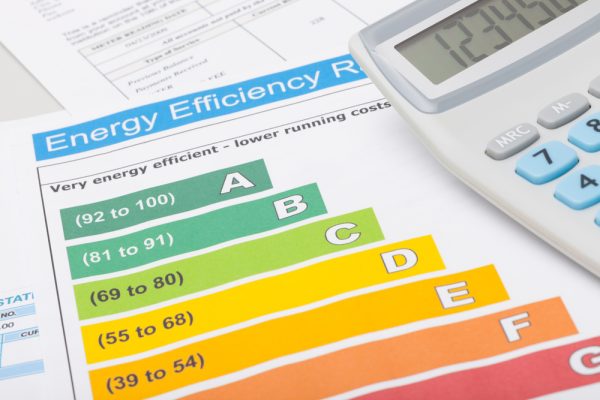
Energy efficiency is the name given to the process of businesses and domestic customers using less of the world’s energy resources to produce the same or an improved result. One example of this is the 90% less energy you will use if you replace all of the traditional fluorescent bulbs in your office with LED.
How to lower energy consumption as a business
The best way to lower your energy consumption as a business is to get all of your employees to think about the energy they use and follow some of these tips below: Save 90% of energy by replacing your office desktops with laptops. A high-end desktop will cost around £140 to run for 8 hours a day compared to a laptop that costs around £7
Replace laserjet printers with inkjet printers to save 90% of energy on printing. However, you will need to balance the lower cost of energy with the higher cost of inkjet printer cartridges
Make sure employees switch off all of the equipment at night and at the weekends, rather than leaving them in sleep or standby as many pieces of equipment will consume nearly the same amount of energy when they are in standby mode as they do when switched on
Switch lights off when they are not in use – you could try putting stickers near light switches to remind people to do this
Use motion sensors in places that are used less frequently, such as corridors and toilets
Let natural light brighten up your office space by opening blinds fully – you may find you don’t need the lights on at all
Try and keep your business premises at an even and regular temperature rather than flicking the heating on or the air conditioning on and off all of the time
These are just some of the tips we have learnt to help businesses lower their energy consumption, but the best thing you can do to save money on your business energy bills is to ask the D-ENERGi team to help you compare business electricity per kWh.
Read Article 4 Oct
4 Oct You may not realise it, but there are actually plenty of cheap gas suppliers here in the UK. Here on the D-ENERGi website, we make it easier for you to find out which gas supplier can give you the cheapest business gas prices.
The easiest way to save money on your business gas and business electricity bills is to talk to the team at D-ENERGI about a free quote. By doing this, you will save yourself the hassle of seeing which gas providers there are in your area, as we do all of that for you. More importantly, we can also compare business gas prices and find out which of these companies can offer you the best energy deal on the plan that best suits your business needs.
All you need to do is tell us your business name and postcode, and we will call you straight back with the best quotes available on the market, and you can then decide which offer gives you the best deal and switch.
Will I get worse customer service from a business cheaper gas supplier?
No. This is a myth. When you compare business gas prices through our website, we will also tell you how well the energy supplier ranks for customer service through people who are already working with them. That way, you can include knowledge of their customer satisfaction scores in your decision of which company to swap to.
Will switching to the cheapest business gas supplier be hard?
Not at all. Once you have chosen your business gas supplier from the free quote we give you, we will contact your new supplier and your existing supplier and let them know that you have decided to switch suppliers. We handle all of the paperwork so that you don’t have any hassle at all.
You may not know this, but all energy companies use the same supply lines and gas pipes, so there is no need for anyone to come round to your business and lay new gas pipes or rewire it. And, at no point during the switching process will your business be left without gas or electricity.
The only thing you will need to do when switching to a cheaper business gas supplier is to take a final meter reading once you have confirmed the switch, as this will ensure the final bill you receive from your old supplier is an accurate one.
You will also need to cancel any direct debits set up in your old supplier’s name, as this will prevent them from charging you when you have stopped consuming energy from them.
By comparing your business gas prices with D-ENERGi once a year, you can be confident that you are paying the cheapest business gas prices and are continuing to save money on your business gas bills.
Read Article 6 Sep
6 Sep Energy bills can be a real drain on your running costs, whatever size of business you have. Equipment, heating, and lighting are all essential items for most businesses, and it is really easy to get stuck on business gas and business electricity prices per kWh that are not right for your current needs or even sky-high.
Here at D-ENERGi we understand that just as companies can vary wildly in scale and size, so can their energy requirements. When it comes to business gas and business electricity use, it is certainly not one size fits all. That is why it is so important that you compare business electricity prices per kWh to find the best rate for your individual business’s needs.
What do you need to know about business energy tariffs?
There are two main types of tariffs used – fixed-rate and variable. Because the size and scope of each individual business are different, so will their requirements for electricity and gas be.
Choosing the correct tariff for your business will depend on how you use electricity and gas and how you want to pay for it. Certain factors need to be taken into account when selecting the right commercial energy tariff for your business, including your financial situation, where your company is located, and how much electricity and gas you use currently.
#Fixed rate tariff
This type of energy payment plan is suited to those businesses who are on a budget as your energy bill will be fixed at a set rate for a period of time – in some cases, this can be as long as four years. After this fixed rate tariff comes to an end, you can continue with the same supplier and switch to a different agreement, or switch to a different supplier altogether.
This tariff arrangement is preferred by business owners who wish to protect themselves from price changes during the agreed period of time as prices are usually cheaper than they are on a variable rate tariff.
Some energy providers also offer fixed rate tariff customers a further reduction on their bill if they agree to pay by direct debit.
One thing to consider with this tariff, however, is you are locked into it for the agreed duration of time and cannot switch tariffs if prices go down, or other better deals come onto the market.
#Variable tariff
Variable tariffs can offer a cheaper rate at the time of the initial agreement, but you don’t get the same level of protection against energy price rises on your business gas or electric bill and so the amount you pay will fluctuate based on the energy market in general.
A variable tariff represents the balance between the risk of energy prices rising in the long term and paying lower energy costs in the short term. This may be a balance that start-up or smaller companies may be more willing to accept in order to keep the cost of their immediate overheads down.
Within the variable tariff there are two main types of agreement: Tracker price tariff – changes based on the wholesale market movement
Blend and extend price tariff – a unit rate that comprises of an average between your current contractual rate and that of the current available market rate If you want to save money on your business gas prices per kWh then contact the team at D-ENERGi today.
Read Article 19 Jul
 In the past, if you wanted business gas, the only choice for you was British Gas. This is not the case these days as there are now lots of business gas suppliers to choose from, meaning you can now opt for the one that best suits your needs.
Each business gas supplier will have its own range of business gas rates, customer ratings, and offers that will make it easier for you to compare them and find the best one for your business. While the price you are charged for your business gas should always be the most important thing you think about when switching suppliers, it is not the only thing you should consider.
If you are solely focused on price then it will potentially be easy to pick the best supplier, but some business owners will be looking for additional benefits such as different payment methods, longer contract times, or suppliers who have the best customer service.
Business Gas Contracts
When it comes to business gas contracts, there are two things you need to keep in mind, to begin with: Unit cost – the amount your business gas supplier is charging per unit of energy
Standing charge – the set price you pay for maintenance and transportation Then you need to look at the type of contract they are offering: Fixed-term contract – this type of contract ensures the price of your gas stays the same throughout the contract term. So, the cost per unit will stay the same, but your bill may differ depending on how much energy you use.
Variable-rate contract – the cost per unit of gas may fluctuate throughout the term of your contract. It will go up or down depending on market activity.
Deemed rate contract – this is sometimes also called ‘out of contract’ tariff and can be very expensive, so it is not one you want to find yourself tied into
28-day contract – this is a very rare type of contract as it only applies to businesses that have not switched suppliers since gas deregulation
Rollover contracts – if you missed the opportunity to switch to a new gas supplier you may find your supplier assumed you wished to stay on the same contract and so just rolled you over Using D-ENERGi to compare business gas tariff prices
Your first step should be to grab a copy of your most recent gas bill as this will contain all of the information, we need to get you a better deal from a new supplier. Once you have contacted us and told us the information we need, we contact lots of different gas suppliers to get quotes on your behalf.
Get the best prices on your business gas by contacting the D-ENERGi team on 0800 781 7626.
Read Article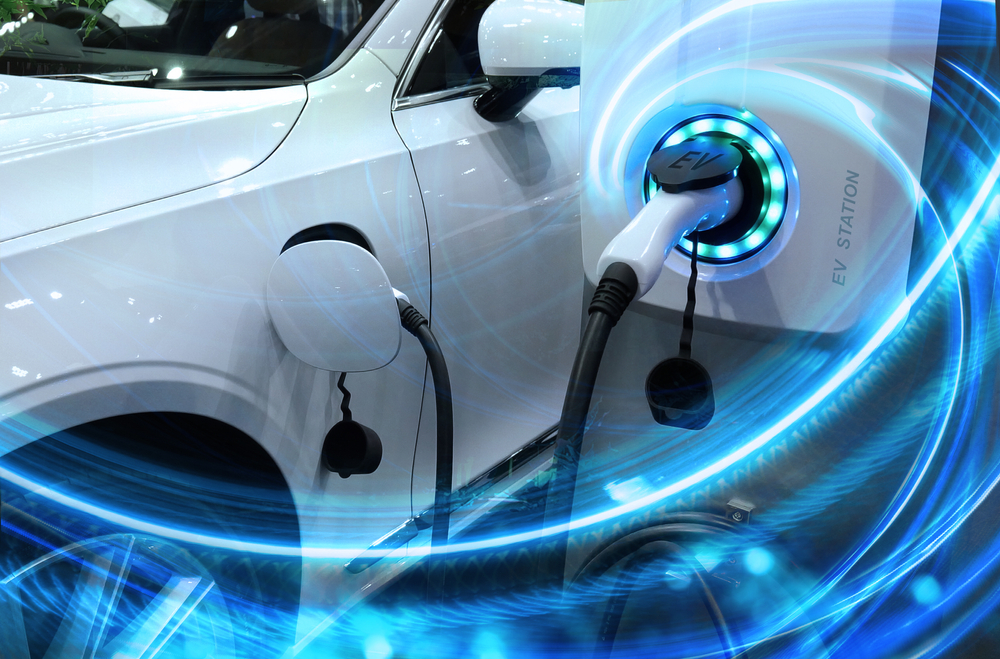 5 Apr
5 Apr With the charging infrastructure in the UK growing rapidly, this article will tell you everything you need to know about your electric vehicle charging station.
Electric vehicles and plug-in hybrids are becoming more and more popular and are increasingly better developed than they have previously been and so the number of electric vehicle charging points is growing on a daily basis.
There is still a little confusion over the terminology involved with electric charging, as it is still such a new technology, so this guide will hopefully clear up a little of the jargon involved.
What is an electric vehicle charging station?
There is no standard definition for an electric vehicle charging station at the moment, but the most widely held belief is that if there is more than one electric vehicle charging point in the same place then it becomes a ‘station’. This may not be on a petrol station forecourt though – charging stations tend to be tucked away in the corner of a car park somewhere – either a motorway service station or a multi-storey somewhere.
You may be able to find individual charging points on the street still, and some local councils are looking into some experimental ideas such as lampposts with charging points attached, but the move towards more electric vehicle charging stations is being mainly driven by a change in consumer behaviour.
How many public electric vehicle charging stations are there?
According to Zap-Map, a company that monitors the charging infrastructure within the UK, there are currently around 14764 locations providing 23128 individual chargers. It is interesting to note that these numbers are continually increasing, with 773 charging points being added to the map within the last 30 days alone. This means there are now more electric vehicle charging points in the UK than there are petrol and diesel stations!
How long does it take to charge an electric vehicle?
If you think about the wide variety of electric vehicles available and the number of companies who offer electric vehicle charging points, then it should come as no surprise that the actual length of time it takes to charge an electric vehicle can vary wildly as well.
The length of time taken usually relies on how many kWh the charging station offers and how many the electric vehicle can accept, and there are three different charging rates: Slow charging rate = 3 kWh (around 8 hours to fully charge from empty)
Fast charging rate = 7 to 22 kWh (around 4 hours to fully charge from empty)
Rapid charging rate = 43 to 50 kWh (around 30 minutes to charge 80%)
Hopefully, this has cleared up some of your questions about electric vehicle charging. We are focusing on this subject for our next few blog posts, so keep reading to find out more.
Read Article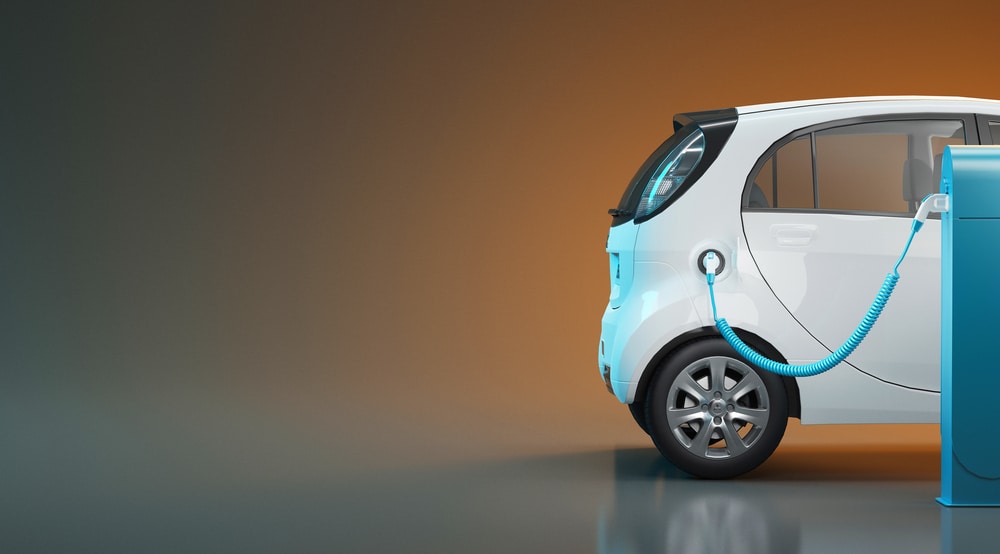 22 Jan
 There can’t be a business out there that doesn’t want to achieve more by spending less. Being energy efficient is crucial to how most companies operate – but you might not have thought about how energy efficient your company car fleet is.
Why are electric cars so popular?
The world is changing, as more and more individuals (and businesses) are starting to think about the impact they are having on the environment, and the need to make their environmental footprint as small as possible. One way of doing this is switching from a conventional fleet of vehicles to electric vehicles – after all, they not only offer your business a way to help the planet and improve your reputation – but you could also make significant cost savings as well.
What are the advantages associated with having electric cars as company cars?
There are numerous advantages for your company of having electric company cars, and these include: Less cost over the lifetime of the vehicle – huge cost savings on fuel + less or no road tax to pay = a much healthier bottom line
Savings on Ultra Low Emission Zone and congestion charges – if your business is located in London And the savings don’t stop there, your employees will also be happy driving electric cars as: They can claim 4p per mile when driving the company car on the business
Charging up their electric vehicle at work is also exempt from tax
They will access significant road tax savings How much does it cost to run an electric car?
All business owners need to know is that it is far cheaper for them to run a fleet of electric vehicles than it is standard vehicles – on both fuel costs and tax. You will also benefit from lower maintenance costs as well – as there will be no need for oil or air filter changes, or new fans, head gaskets, spark plugs, or timing belts. This is due to the fact that the battery is one working unit, as opposed to the dozen different working units you get in a normal combustion engine.
What other costs do we need to think about?
If you are moving over to a fleet of electric vehicles, you will probably want to think about installing charging points in your business’s car park. However, there is a Government grant available at the moment which is offering businesses money towards up to 20 charging points.
Having electric charging points on-site can also help your reputation, as potential clients and suppliers can see your green credentials – as well as enticing them to stay longer on your site while they charge their car!
At D-ENERGi, we are passionate about saving businesses money. This is why we offer an EV charging solution and an off-peak and GoElectric tariff. Please get in touch to find out more.
Read Article
Get the Best Business Energy Quotes
Price Match Available: Our price matching team will provide you the most competitive business energy rates. We won’t just match your current energy quote – we’ll strive to beat it!
Join thousands of UK businesses that have already started saving on their business energy costs!
Sign Up For The Latest News and Insights on Market Trends
"*" indicates required fields