




 6 Sep
6 Sep Energy bills can be a real drain on your running costs, whatever size of business you have. Equipment, heating, and lighting are all essential items for most businesses, and it is really easy to get stuck on business gas and business electricity prices per kWh that are not right for your current needs or even sky-high.
Here at D-ENERGi we understand that just as companies can vary wildly in scale and size, so can their energy requirements. When it comes to business gas and business electricity use, it is certainly not one size fits all. That is why it is so important that you compare business electricity prices per kWh to find the best rate for your individual business’s needs.
What do you need to know about business energy tariffs?
There are two main types of tariffs used – fixed-rate and variable. Because the size and scope of each individual business are different, so will their requirements for electricity and gas be.
Choosing the correct tariff for your business will depend on how you use electricity and gas and how you want to pay for it. Certain factors need to be taken into account when selecting the right commercial energy tariff for your business, including your financial situation, where your company is located, and how much electricity and gas you use currently.
#Fixed rate tariff
This type of energy payment plan is suited to those businesses who are on a budget as your energy bill will be fixed at a set rate for a period of time – in some cases, this can be as long as four years. After this fixed rate tariff comes to an end, you can continue with the same supplier and switch to a different agreement, or switch to a different supplier altogether.
This tariff arrangement is preferred by business owners who wish to protect themselves from price changes during the agreed period of time as prices are usually cheaper than they are on a variable rate tariff.
Some energy providers also offer fixed rate tariff customers a further reduction on their bill if they agree to pay by direct debit.
One thing to consider with this tariff, however, is you are locked into it for the agreed duration of time and cannot switch tariffs if prices go down, or other better deals come onto the market.
#Variable tariff
Variable tariffs can offer a cheaper rate at the time of the initial agreement, but you don’t get the same level of protection against energy price rises on your business gas or electric bill and so the amount you pay will fluctuate based on the energy market in general.
A variable tariff represents the balance between the risk of energy prices rising in the long term and paying lower energy costs in the short term. This may be a balance that start-up or smaller companies may be more willing to accept in order to keep the cost of their immediate overheads down.
Within the variable tariff there are two main types of agreement: Tracker price tariff – changes based on the wholesale market movement
Blend and extend price tariff – a unit rate that comprises of an average between your current contractual rate and that of the current available market rate If you want to save money on your business gas prices per kWh then contact the team at D-ENERGi today.
Read Article 16 Aug
 Business owners across the UK are becoming more aware of how easy and quick it is to switch business energy suppliers. However, here are three things to keep in mind when you are doing a business energy comparison:
There are lots of energy supplier switches going on all over the UK on a daily basis.
A recent report by Energy UK, for example, revealed that in the month of April 2021 over 650,000 customers switched their energy supplier, and around 100,000 of these were business customers.
These numbers show that more and more people are becoming aware of the cost-savings benefit of switching business energy supplier, and how easy it is to do with the help of the D-ENERGi team. The variety of deals and offers you can access by completing a business electricity comparison, for example, are really enticing people to make a change.
Are you thinking of completing a business energy comparison, to see if you could save? Then, keep these three things in mind:
#1 The market and changing energy prices
It is definitely worth paying attention to the price of electricity and gas when you are shopping around for a new business energy contract. Gas and oil prices are spiralling at the moment, and this is forcing energy suppliers to pay more, which means you then have to pay more.
You should also take into account the fuel mixes your business energy supplier uses as well, as fluctuations in government regulations and the market favouring certain energy resources will have implications on the price of your energy.
#2 Price per unit and standing charges
Sometimes people can fall into the trap of thinking that they only have to pay for the energy that they use and fail to take into account the standing charge as well.
The variable unit price per KWh on your bill is the price you pay for the energy you use, whereas the standing charge is the fixed fee that you pay to be connected to the energy grid. Both of these prices can vary from region to region throughout the UK.
#3 Know your business energy tariffs
The type of business energy tariff you choose will affect the type of business energy contract you sign with your new supplier. Fixed-rate tariffs tend to be the cheapest, for example, and they last for a fixed period of time meaning regardless of any price hikes in the market, your tariff price will stay the same.
Variable tariffs, on the other hand, change according to the market demand. This means if the market price is low, your tariff is low – however, if the market price soars, so do your tariff.
Think carefully about what type of tariff will be best for your business, and then get in touch with the team at D-ENERGi to walk you through the business electricity and business gas comparison process.
Read Article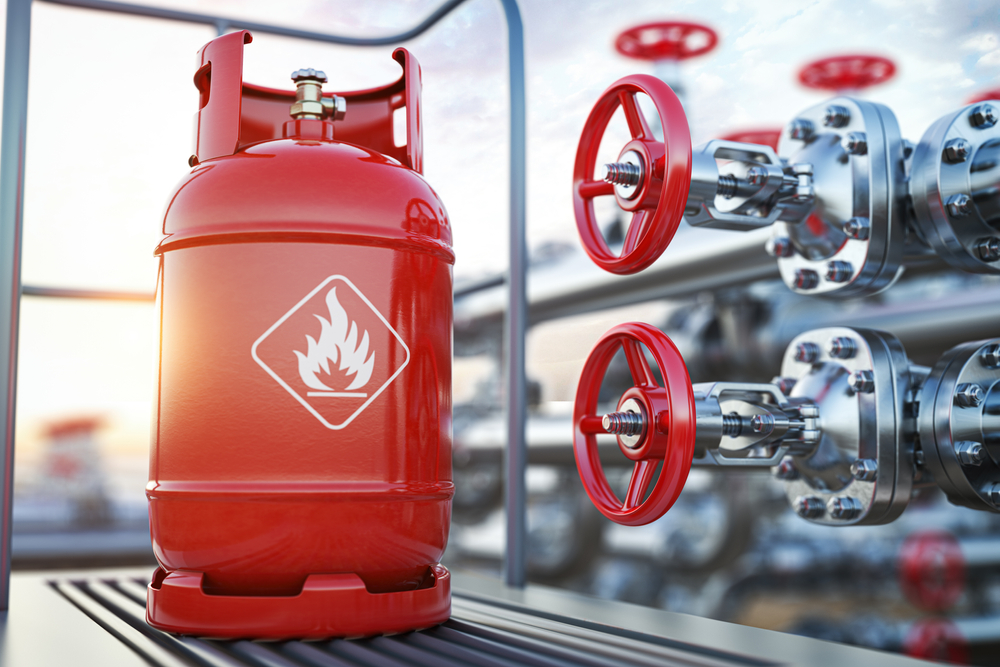 19 Jul
 In the past, if you wanted business gas, the only choice for you was British Gas. This is not the case these days as there are now lots of business gas suppliers to choose from, meaning you can now opt for the one that best suits your needs.
Each business gas supplier will have its own range of business gas rates, customer ratings, and offers that will make it easier for you to compare them and find the best one for your business. While the price you are charged for your business gas should always be the most important thing you think about when switching suppliers, it is not the only thing you should consider.
If you are solely focused on price then it will potentially be easy to pick the best supplier, but some business owners will be looking for additional benefits such as different payment methods, longer contract times, or suppliers who have the best customer service.
Business Gas Contracts
When it comes to business gas contracts, there are two things you need to keep in mind, to begin with: Unit cost – the amount your business gas supplier is charging per unit of energy
Standing charge – the set price you pay for maintenance and transportation Then you need to look at the type of contract they are offering: Fixed-term contract – this type of contract ensures the price of your gas stays the same throughout the contract term. So, the cost per unit will stay the same, but your bill may differ depending on how much energy you use.
Variable-rate contract – the cost per unit of gas may fluctuate throughout the term of your contract. It will go up or down depending on market activity.
Deemed rate contract – this is sometimes also called ‘out of contract’ tariff and can be very expensive, so it is not one you want to find yourself tied into
28-day contract – this is a very rare type of contract as it only applies to businesses that have not switched suppliers since gas deregulation
Rollover contracts – if you missed the opportunity to switch to a new gas supplier you may find your supplier assumed you wished to stay on the same contract and so just rolled you over Using D-ENERGi to compare business gas tariff prices
Your first step should be to grab a copy of your most recent gas bill as this will contain all of the information, we need to get you a better deal from a new supplier. Once you have contacted us and told us the information we need, we contact lots of different gas suppliers to get quotes on your behalf.
Get the best prices on your business gas by contacting the D-ENERGi team on 0800 781 7626.
Read Article 12 Jul
 Here at D-ENERGi we often get asked about half hourly electricity and metering – how it works and how it can affect our customer’s bills. So, we have pulled together this handy guide to help you understand more about it and how it could be exactly what your business needs.
What is a half-hourly electricity meter?
A half-hourly electricity meter is a special type of meter provided by half hourly electricity suppliers. It is based on AMR (automatic meter reading) technology which is used to provide suppliers with a more accurate electricity reading – which is sent via a fixed-line every half an hour (which is where the name comes from).
The benefit of hour hourly readings for business owners is that the meter reading is automated, so you don’t have to mess around sending meter readings to your supplier – and you also access much more accurate bills as well.
Another benefit hour hourly electricity brings is it allows you to easily access consumption data from your supplier – meaning you can preview exactly how your business is using electricity throughout the day, helping you to make more informed decisions about how to run your business more efficiently by reducing your operational energy use.
Does my business need a half-hour electricity meter?
Having a half-hourly electricity meter is compulsory for any business that uses over 100kW of electricity, but if your business uses 70kW of energy or more you can opt to have a meter installed.
If you have recently moved to new business premises and are not sure whether you have a half-hourly meter or not, the easiest way to check is to look at your most recent energy bill. The bill will contain a number starting with ‘S’ and if the number following this starts with 00 then you do have a half-hourly meter installed.
How does half-hourly electricity pricing differ?
Half hourly electricity offers you the energy that is better tailored to your usage and your requirements as it relies on regular meter readings meaning the data gathered is much more accurate –removing the need for estimated billing.
We hope this article has given you a better idea of half hourly electricity prices and how half-hourly electricity can benefit small businesses. If you have any questions about anything, please contact our customer service team at 0800 781 7626 – they are always happy to help.
Read Article 5 Jul
5 Jul The Federation of Small Business recently claimed that as many as one-third of small businesses highlight energy costs as a barrier to the growth and success of their company. However, 70% of small businesses also say that they find it difficult to compare business energy tariffs and 43% have never switched business electricity supplier.
So, if you want to find out how to save money by grabbing cheaper business electricity rates then read on:
Pick your lightbulbs wisely
If you currently use fluorescent or halogen light bulbs, try swopping them for energy-efficient bulbs such as LED bulbs. And encourage your employees to turn off lights when they are not in use, as this could save you up to £100 per year.
Cooldown
Lights can be one of the main culprits for driving up your energy bills, and heating comes in a close second. This is why it is wise to make sure your heating system is set around four degrees different from your air conditioning system – so they are not fighting against each other.
Keep it clean
If you have a staff kitchen, it is really important to keep it clean – not just from a hygiene point of view, but to help you save money too. Clean appliances, such as fridges, are much more energy-efficient than dirty ones – and just cleaning the dust off can save you up to a fifth of the energy they normally use.
Make your technology work for you
46% of the electricity used in offices is used outside of standard operating hours – so make sure all computers, printers, and other electrical items are switched off at night. It is also a good idea to unplug any mobile phone chargers when they are not in use as well – it sounds like a silly thing to do, but it can really help to save you money.
Compare business electricity suppliers
Of course, the main way you can reduce your energy outgoings is to make sure you are on the best tariff for your business by comparing business electricity suppliers and swapping to a better tariff. While this sounds like it will be time-consuming, it won’t be if you put it all in the hands of the D-ENERGi team. We do all the hard work comparing the best deals on the market, and finding the best tariff for you.
Read Article 14 Jun
 Energy prices seem to have fluctuated quite a lot recently, with many business owners being frustrated by the changes. Rising electricity and gas prices mean that they have to pay more, while cheap business energy prices make money management unpredictable. This is why it is a good idea to know a little bit more about business gas prices and what affects them.
Supply and Demand
The first factor that affects cheap business gas is the traditional concept of supply and demand. Gas is bought, sold, and then transported in large amounts. How much of a supply of gas there is will affect the price of gas. When there is demand for gas in the UK and it isn’t available, then the price will go up as will the demand. However, when the gas supply in the UK outstrips demand then gas prices may be lowered.
Gas Storage
The UK’s biggest gas storage site was closed down in 2017 which meant that we dropped from having fifteen days’ worth of gas in storage to just four or five days. This has had a huge effect on gas prices especially in 2018 when we suffered from a particularly cold winter. A warning of gas shortages saw the price of gas shoot up to its highest level in more than 10 years. Although the UK government has been urged to take a closer look at its gas storage plans although it believes that a combination of LPG tankers and gas pipelines is more than sufficient.
The Pound
Gas prices are affected by fluctuations in the value of the currency and as we buy a lot of gas from Europe which means that the price that appears on your gas bill will reflect the strength of the pound. In recent years, the strength of the pound has dropped to an all-time low, which has led to rises in gas prices that will have been reflected in your business gas bills.
Wind Power
We create more energy from offshore wind generators in the UK than any other country, with Britain alone accounting for over 40% of the global capacity for wind-generated energy. On less windy days natural gas needs to be diverted to power stations which will result in an increase in prices.
From changes in how we get gas and produce energy to global disruption means that gas prices are always going to fluctuate. Not all of these changes will affect every business but it is always worth keeping an eye on the bigger picture when it comes to cheap business gas and cheap business electricity costs.
Get the best prices and deals on your business gas with D-ENERGi. Speak to our experts directly.
Read Article
Get the Best Business Energy Quotes
Price Match Available: Our price matching team will provide you the most competitive business energy rates. We won’t just match your current energy quote – we’ll strive to beat it!
Join thousands of UK businesses that have already started saving on their business energy costs!
Sign Up For The Latest News and Insights on Market Trends
"*" indicates required fields